

Quick Answer: Why Are Flatbed Rates Increasing in 2026?
Flatbed rates are rising in 2026 due to strong construction demand, limited flatbed truck capacity, higher diesel and operating costs, and a recovering freight market. These factors are tightening supply and pushing spot rates higher across the U.S.
Key Takeaways
- Flatbed demand is increasing بسبب construction and infrastructure projects
- Capacity is tight because fewer drivers run flatbed
- Diesel prices are pushing rates higher
- The freight market is recovering, especially for flatbed
- Rates are expected to stay strong through 2026
Where the Flatbed Market Stands Right Now
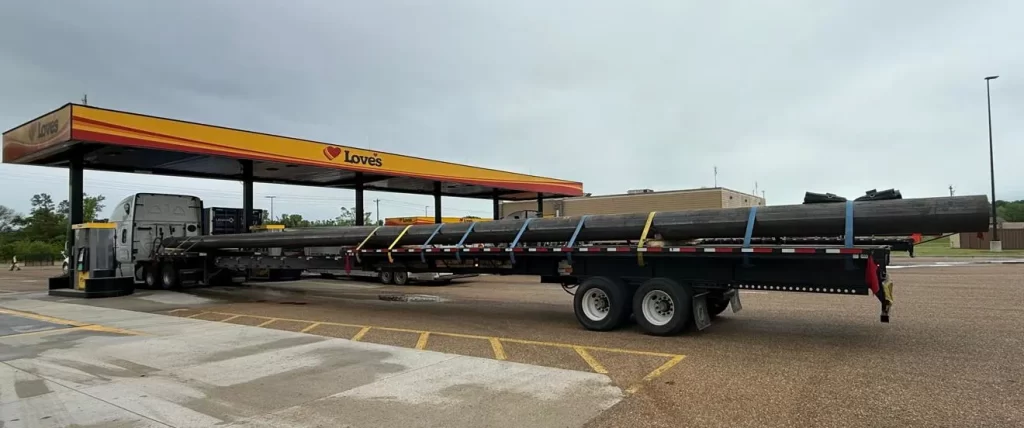
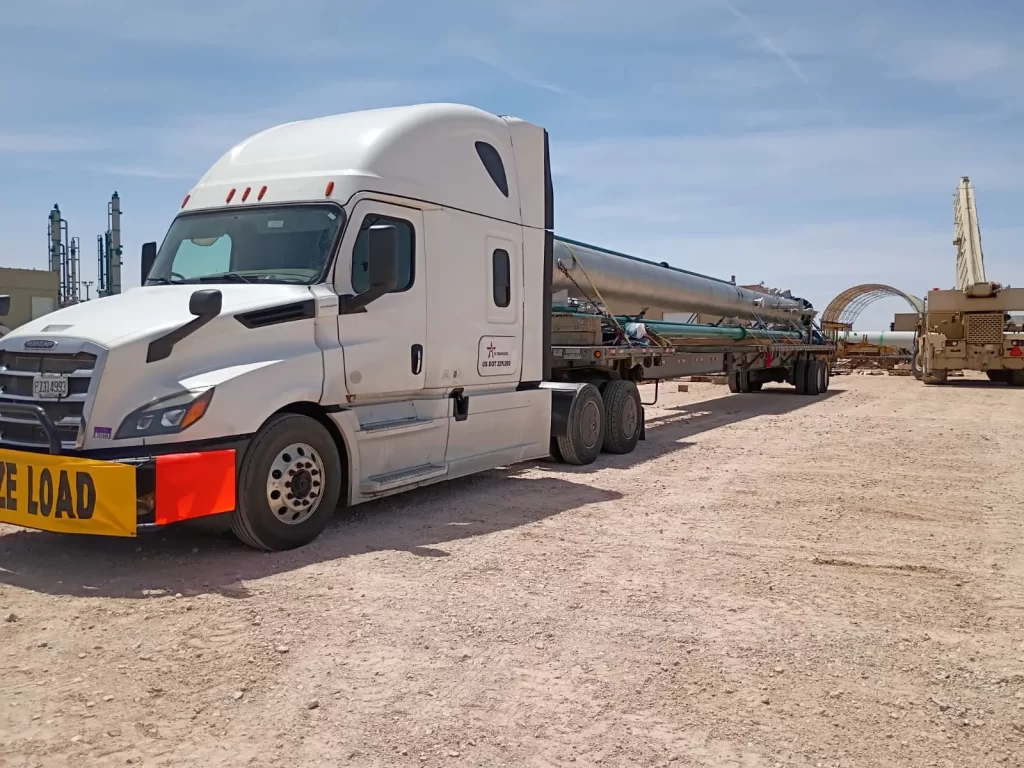

According to DAT Freight & Analytics and reports covered by DC Velocity:
- Flatbed spot rates have increased consistently in early 2026
- Some weeks showed the largest rate jumps in over a decade
- Load-to-truck ratios are tightening
👉 Driver translation:
More loads + fewer trucks = better-paying freight
What Are Flatbed Rates?
Flatbed rates refer to the price per mile carriers get paid to haul open-deck freight like:
- Steel
- Lumber
- Machinery
- Construction materials
Typical 2026 range:
👉 $2.50 – $3.00+ per mile (depending on lane)
What’s Driving Flatbed Rates Higher?
Construction & Steel Demand are Surging
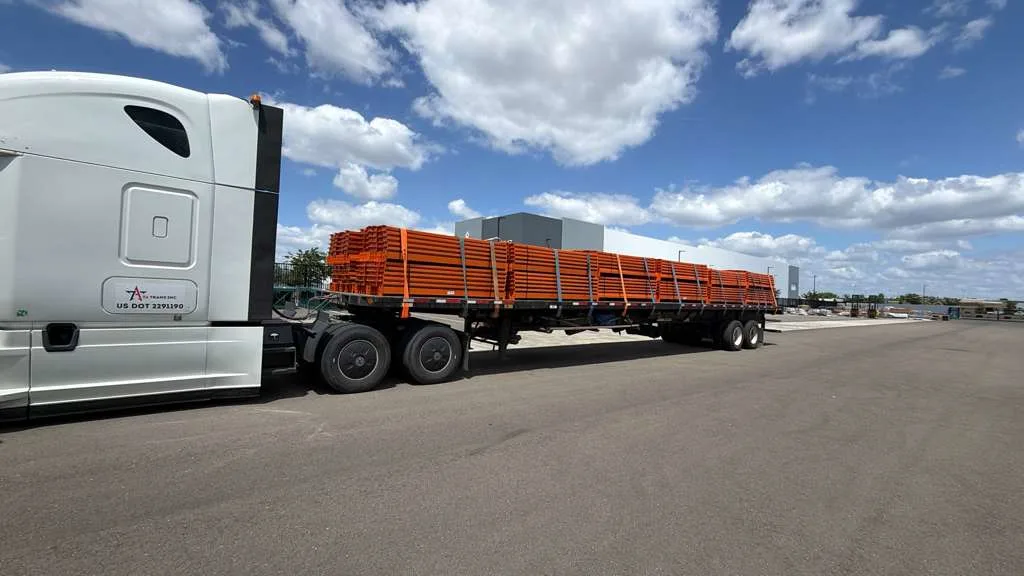

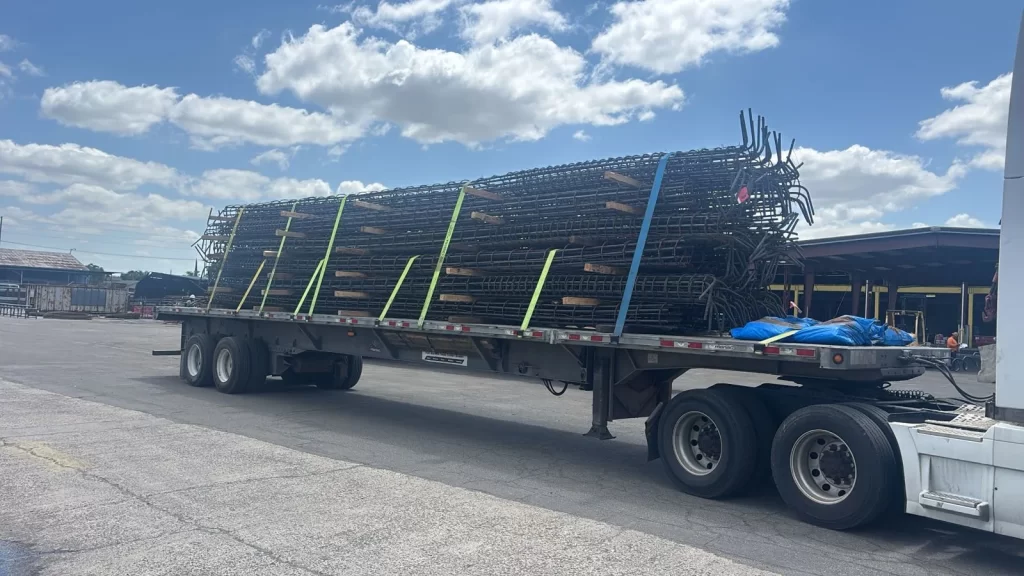
Flatbed freight is heavily tied to construction.
Right now:
- Steel output is increasing
- Infrastructure projects are active
- Jobsites are busy across the U.S.
👉 More materials to move = higher demand for flatbeds
Reshoring Is Creating More Domestic Freight
Manufacturing is shifting back to the U.S.
Instead of importing:
- Goods are being produced locally
- Freight is moving between states
👉 This creates:
- More regional flatbed loads
- More equipment and machinery hauling
Bottom line:
More U.S. production = more flatbed demand
What Is Flatbed Capacity?
Flatbed capacity is the number of available trucks + drivers ready to haul flatbed loads.
When capacity drops 👉 Rates go UP
Capacity Problems: Why Rates Keep Climbing
Flatbed Work Is Tough (Not Everyone Wants It)
Let’s keep it real:
Flatbed isn’t easy:
- Tarping in bad weather
- Throwing chains
- Climbing loads
So:
- Fewer new drivers enter
- Some switch to easier segments
👉 Result = tight capacity
Carriers Left the Market
During the freight downturn:
- Many small carriers shut down
- Owner-operators parked trucks
Now demand is back…
but capacity didn’t fully return.
👉 That gap = higher rates
Fuel & Operating Costs Are Driving Prices Up
Based on data from U.S. Energy Information Administration:
- Diesel prices remain volatile
- Maintenance and insurance costs are high
👉 When costs go up, carriers:
charge more per mile
Why Flatbed Rates Are Increasing (Simple Breakdown)
| Factor | Impact on Rates |
|---|---|
| Construction demand | More loads → higher prices |
| Driver shortage | Less capacity → higher rates |
| Fuel costs | Carriers increase pricing |
| Market recovery | Demand rising faster than supply |
Seasonal Trends
Flatbed is seasonal:
- Spring & Summer: Peak demand
- Fall: Still active
- Winter: Slower (weather delays)
👉 Right now = peak ramp-up season
Why Flatbed Is Recovering Faster Than Other Freight
Flatbed is tied to:
- Construction
- Manufacturing
- Infrastructure
Not just retail.
So when the economy moves:
👉 Flatbed moves first
How Truck Drivers Can Make More Money Right Now?
Play It Smart
- Follow high-demand regions (TX, Midwest, Southeast)
- Check load boards daily
- Negotiate—don’t take cheap freight
Hot Freight Areas
- Texas → oil + construction
- Midwest → steel + manufacturing
- Southeast → building boom
Watch Out
- Fuel can eat profits
- Not all lanes pay equally
- Brokers still test cheap rates
Will Flatbed Rates Keep Rising in 2026?
Rates are expected to stay strong if:
- Construction demand continues
- Capacity remains tight
- Fuel prices stay elevated
BUT:
👉 Expect ups and downs
Looking for Flatbed Jobs? Join Our Team
Flatbed rates are going up and that means more opportunities for drivers who know how to handle open-deck freight.
If you’re tired of:
- Cheap loads
- Sitting and waiting for dispatch
- Not getting paid what you’re worth
👉 It might be time to switch things up.
We’re actively looking for experienced flatbed drivers who want:
- Consistent freight
- Better-paying loads
- Support from a team that understands the grind
Why Drive With Us?
- Strong flatbed freight network
- Competitive pay (take advantage of rising rates)
- Reliable dispatch (no BS, real loads)
- Opportunities in high-demand lanes
Ready to Get Started?
Join our flatbed team today and take advantage of the strong 2026 market.
👉 Apply Here: https://tatransinc.com/join-us/
Faqs
Are flatbed rates higher than dry van?
Yes—flatbed is outperforming dry van in many markets due to tighter capacity.
What is a good flatbed rate per mile?
Around $2.50 – $3.00+ per mile, depending on the lane.
Why is flatbed recovering faster?
Because it’s tied to real industries like construction and manufacturing.
Is flatbed worth it in 2026?
If you can handle the work:
👉 Yes—one of the better-paying segments right now