

Diesel prices can change fast. A fuel surcharge should help a carrier or owner-operator handle that change. But the payment only works when the formula is clear.
On August 17, 2026, the U.S. Energy Information Administration reported a national on-highway diesel average of $5.454 per gallon. That was 19.7 cents higher than the previous week.
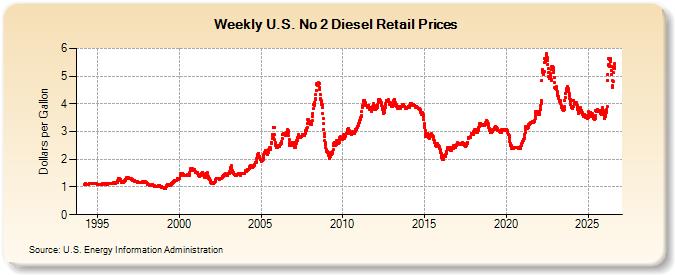
The same day, Reuters reported that the U.S. diesel refining margin reached a record $102.20 per barrel. That number is an important market warning, but it is not the price at the truck-stop pump. It also does not automatically change a driver’s fuel surcharge.
How Does a Trucking Fuel Surcharge Work?
A trucking fuel surcharge is an extra payment that helps cover diesel costs above an agreed base price. Many formulas use a weekly diesel price from the EIA, a base fuel price, an agreed miles-per-gallon number and the number of paid miles.
The EIA publishes diesel-price information. It does not set or control fuel surcharges. The shipper, broker, carrier or owner-operator decides the formula in the contract, lease agreement or rate confirmation.
The Simple Fuel-Surcharge Formula
A common per-mile formula is:
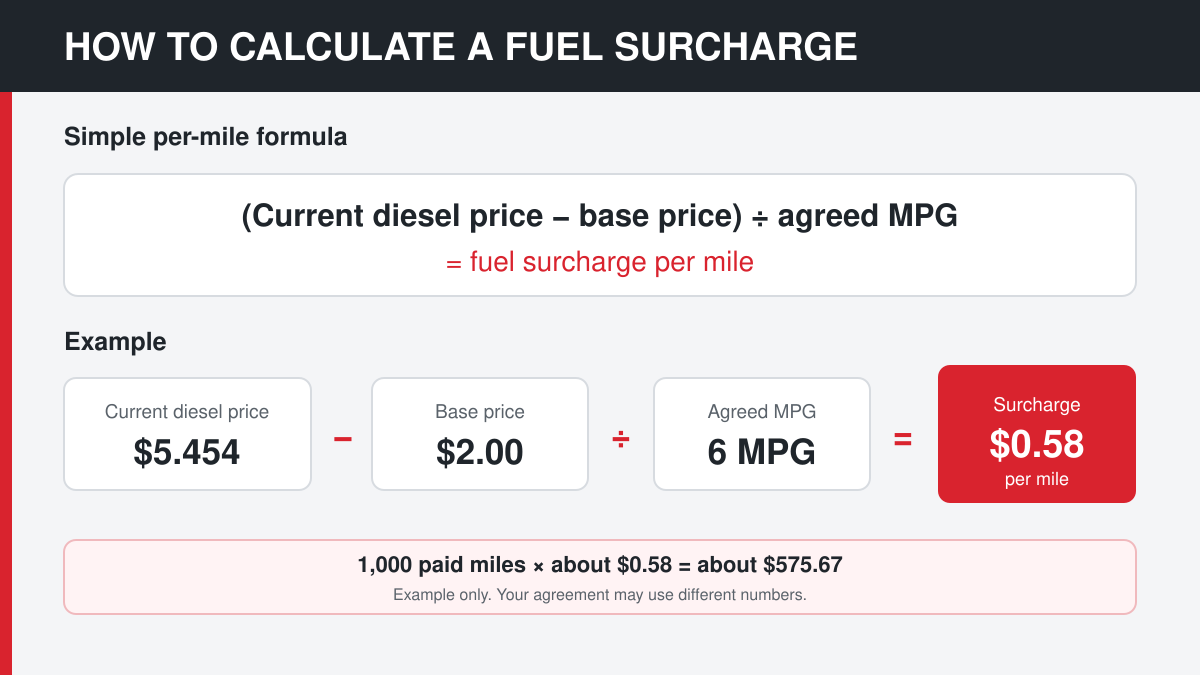
(Current diesel price − base diesel price) ÷ agreed MPG = fuel surcharge per mile
Here is a simple example using the August 17 EIA price:
- Current EIA diesel price: $5.454 per gallon
- Example base price: $2.00 per gallon
- Example fuel economy: 6 MPG
- Paid miles: 1,000
The calculation is:
($5.454 − $2.00) ÷ 6 = about $0.58 per mile
For 1,000 paid miles, the fuel surcharge would be about $575.67.
This is only an example. It is not a standard price or a TA Trans rate. Your agreement may use a different base price, MPG number, diesel index or mileage rule.
Four Numbers Every Driver Should Check
1. The Diesel-Price Index
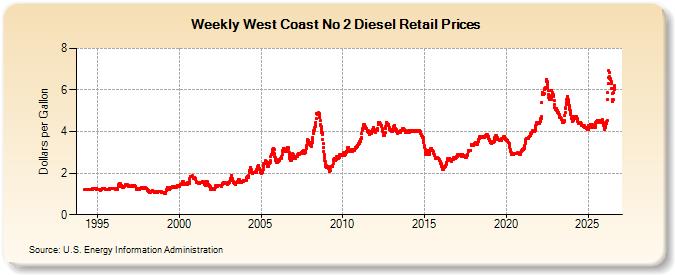
The agreement should say which diesel price is used. Some programs use the national EIA average. Others use a regional average.
This matters because fuel prices are not the same in every part of the country. On August 17, the EIA reported $5.237 per gallon for the Gulf Coast and $6.203 for the West Coast.
2. The Base or “Peg” Price
The base price is the diesel price included in the normal linehaul rate. The surcharge usually starts when the index moves above that number.
Do not assume every company uses the same base. The correct number is the one written in the agreement.
3. The Agreed MPG
The formula normally uses an agreed fuel-economy number, such as 6 MPG. It may not use the truck’s actual MPG.
This can make a large difference for open-deck work. A heavy machine, headwind, mountain route or oversize load can reduce fuel economy. A light load on flat ground may use less fuel.
4. The Miles That Receive the Surcharge
Ask whether the surcharge applies to loaded miles, practical miles, dispatched miles or all miles. A good per-mile payment on loaded miles may still leave the truck paying for a long deadhead.
Why Your Payment May Not Match the Pump Price
A driver may see diesel rise today but not see the surcharge change right away. There are several possible reasons:
- Update timing: The program may reset once a week.
- Payment delay: A Monday price may apply later in the week.
- Different index: The agreement may use a national price while the truck buys fuel in a higher-cost region.
- Spot-market pricing: The broker may quote one all-in rate instead of listing linehaul and fuel separately.
- Fuel discounts: The EIA price is a retail average. The truck’s card price may be lower.
- Mileage rules: The surcharge may cover loaded miles but not deadhead miles.
A difference does not automatically mean the payment is wrong. It means the driver or carrier should check the written formula.
A Five-Minute Fuel-Surcharge Check
Step 1: Find the Written Terms
Check the rate confirmation, lease agreement or customer contract. Find the index, base price, MPG, mileage rule and update day.
Step 2: Check the Correct EIA Price
Use the EIA national or regional price named in the agreement. Do not replace it with a truck-stop sign unless the contract specifically uses that price.
Step 3: Do the Math
Subtract the base price from the current index. Divide the result by the agreed MPG. Then multiply the per-mile surcharge by the eligible miles.
Step 4: Compare It With the Settlement or Invoice
Check the rate, miles and effective date. Small differences can come from rounding. Large differences need an explanation.
Step 5: Save the Record
Keep the rate confirmation, EIA price, calculation and settlement together. Clear records make a payment question easier to solve.
The same rule applies to other operating costs. In our article about fuel-card fraud in trucking, we explain why the transaction and the truck’s real activity must agree.
Common Fuel-Surcharge Mistakes
- Using the refining margin as the surcharge: The crack spread shows the difference between crude-oil cost and fuel value. It is not a retail pump price.
- Assuming every contract is the same: There is no single federal trucking fuel-surcharge formula.
- Looking only at loaded miles: Deadhead still burns diesel.
- Ignoring the effective date: The newest EIA number may not apply to the current load.
- Calling the surcharge “extra profit”: It is meant to help cover fuel above the base price. The truck still has fuel, maintenance, insurance and fixed costs.
- Ignoring the all-in rate: A separate fuel payment cannot make a weak total rate profitable.
Questions to Ask Before Accepting a Load
- Is the fuel surcharge separate, or is it included in the total rate?
- Which EIA diesel price is used?
- What is the base fuel price?
- What MPG number does the formula use?
- Which miles receive the surcharge?
- When does the price update?
- If I am leased to a carrier, how will the surcharge appear on my settlement?
If these answers are not clear, ask before the truck moves. A short question before dispatch is easier than a payment dispute after delivery.
TA Trans Perspective: Clear Numbers Help Drivers Plan
At TA Trans, we believe a fuel surcharge should be easy to explain. A driver should be able to see the price index, base price, MPG, miles and final payment.
For one spot load, the most important number is still the total revenue compared with all operating costs. For regular or contract freight, a clear fuel formula can help the rate move when diesel changes.
Open-deck work also needs a realistic view of fuel use. Weight, wind, route, permits and deadhead can change the truck’s true fuel cost. The surcharge is one part of the decision, not the whole decision.
Owner-operators considering TA Trans can review our driver and owner-operator opportunities. Whatever program you choose, read the fuel terms and run the numbers before you sign.
Frequently Asked Questions
Who sets a trucking fuel surcharge?
The parties to the freight or lease agreement set it. The EIA publishes diesel prices but does not set, control or approve fuel surcharges.
What is the most common fuel-surcharge formula?
A common method is: current diesel index minus the base price, divided by the agreed MPG. The result is a surcharge per paid mile.
Does the surcharge pay for all fuel?
Usually not. The base linehaul rate is expected to include fuel up to the agreed base price. The surcharge helps cover the increase above that point.
Should an owner-operator look only at the surcharge?
No. Check the total load payment, all miles, expected gallons, tolls, time, maintenance and the next-load market.
Why did my surcharge stay the same after diesel increased?
The program may use a weekly update, a different region or a delayed effective date. Check the agreement and the EIA week used for the load.