

CDL audit what drivers need to know is changing fast as federal and state agencies increase scrutiny (especially in New York and California). If you drive OTR or regional, this guide breaks down what’s happening, what to check today, and how to avoid renewal or onboarding delays.
Last updated: January 2026
Reviewed by: TA Trans Safety & Compliance
Key takeaways:
This post is a practical CDL audit what drivers need to know checklist, built for drivers who want to stay compliant and keep moving.
By the end of 2025, federal officials said an audit found serious issues in how New York issued certain non-domiciled CDLs, and they threatened to withhold federal highway funding if the state didn’t act within 30 days.
In California, the DMV moved to cancel about 17,000 limited-term / legal-presence CDLs, then paused the cancellations after a lawsuit, extending the deadline to March 6, 2026 for many drivers.
For drivers, the biggest risk is usually paperwork mismatch (dates, identity fields, medical card linkage) not driving skill.
The smart move: verify your record now, build a simple compliance folder, and don’t wait until renewal or onboarding to fix problems.
CDL audit: what drivers need to know right now
By the end of 2025, the U.S. Department of Transportation and FMCSA publicly said an audit of New York’s non-domiciled CDL records found that 107 out of 200 sampled records were issued in violation of federal requirements, and DOT threatened to withhold $73 million in highway funding if New York didn’t revoke improperly issued licenses, pause certain issuances, and complete a broader review within 30 days. New York’s DMV disputed the claim and said it follows federal rules.
At the same time, California became the other big headline: the state planned to cancel about 17,000 commercial licenses tied to “limited-term legal presence” records, then delayed cancellations after a lawsuit so eligible drivers have time to correct documentation—moving many cancellations to March 6, 2026 (with some exceptions).
What this means for drivers: when large states are under compliance pressure, carriers tighten onboarding, DMVs scrutinize records harder, and drivers get stuck fixing issues they didn’t even know existed.
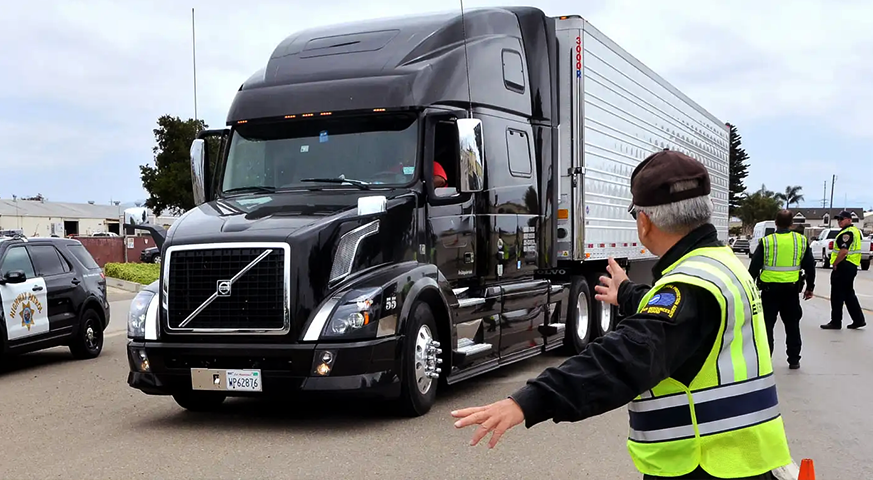
During audit periods, paperwork and eligibility checks can get stricter
What is a non-domiciled CDL?
A non-domiciled CDL is generally a CDL issued to a driver who is not a resident of the issuing state and may involve additional verification steps depending on federal and state rules.
What does a “CDL audit” mean for drivers?
It usually doesn’t mean “everyone loses their license.” It typically means:
- More verification at renewals
- More documentation requests during hiring
- More attention to whether your record matches your documents
Why drivers should care (even if you’re legal and experienced)
Most real problems come from boring mismatches:
- CDL expiration dates that don’t match a driver’s lawful presence timeline (common in limited-term scenarios)
- Medical card is valid, but not properly linked in the state system
- DMV record errors (wrong DOB, missing name fields, incorrect dates)
- Carriers requiring cleaner documentation to reduce compliance risk
When scrutiny rises, those mismatches turn into:
- renewal delays
- onboarding delays
- time wasted at the worst moment—when you need to be running
Driver checklist (do this today)
1) Verify your identity fields match perfectly
Check your CDL and related paperwork:
- First name + last name correct
- Date of birth correct
- No missing fields or obvious DMV record errors
If anything looks wrong, fix it now—waiting until renewal is how drivers lose weeks.
2) Confirm your medical card is current and properly linked
Many problems happen when your medical card is valid but the state record doesn’t reflect it correctly
3) If you’re non-domiciled or limited-term: keep documents current and consistent
Keep updated copies of whatever applies to your status (examples can include passport, I-94, work authorization documentation). The key is consistency: what you have in hand should match what the DMV record expects.
4) Be ready for a basic roadside English interaction
You don’t need perfect English. You do need to communicate essentials during inspection interactions (license, medical card, load destination, basic questions).
5) Build a simple compliance folder (digital + printed)
Keep:
- CDL + endorsements
- Medical card
- Any status-related documents (if applicable)
- Employer + safety contact info
- Any training certificates you have

A clean compliance folder prevents delays during renewals and onboarding
New York: what drivers should expect:
Because New York was publicly identified as a major focus of federal audit pressure by the end of 2025, drivers connected to NY issuance should expect:
- stricter renewal reviews
- carriers asking for cleaner documentation at onboarding
- less tolerance for missing or inconsistent DMV records
New York DMV disputes the federal characterization, but the day-to-day reality for drivers is the same: scrutiny increases, so being organized protects you.
California: what changed after the lawsuit
In California, the state planned to cancel about 17,000 CDLs tied to limited-term legal presence records, then delayed the cancellations after a lawsuit by advocacy groups—giving drivers more time to correct documentation. California DMV publicly extended many cancellation dates to March 6, 2026 (with some exceptions depending on domicile/status).
Driver takeaway: even if you’re eligible, you don’t want to be caught in a mass process because your record is incomplete. Fixing it early is how you avoid downtime.
Quick action plan
If you’re renewing in the next 90 days
- Verify identity fields (name, DOB, expiration)
- Confirm medical card is current + linked
- Collect your compliance folder
- If limited-term/non-domiciled, double-check your supporting documents are current
If your paperwork timeline doesn’t match your CDL timeline
Don’t assume “my CDL is valid until X” means you’re safe. When audits hit, mismatched timelines are exactly what gets flagged.
If your CDL record has errors
Fix it immediately. Those errors get expensive when you’re:
- onboarding with a new carrier
- on a renewal deadline
- trying to stay rolling
At TA Trans, we focus on keeping drivers moving without surprises:
- upfront clarity on required onboarding documents
- clean records before dispatch
- safety + compliance practices that protect drivers during audits and inspections
Have questions about onboarding documentation or compliance paperwork? Contact TA Trans recruiting or Apply with TA Trans Today and we’ll tell you what’s needed upfront—no guessing, no surprises.
FAQ
Will my CDL automatically be revoked because of audits?
No. Audits increase scrutiny. The most common issue is delays or corrective steps due to mismatched records/documents not instant revocation.
I’m legal. Should I worry?
Don’t panic, prepare. Legal drivers can still lose time if their record doesn’t match documents.
Is this only NY and CA?
No. NY and CA are high-profile examples, but compliance scrutiny can affect multiple states over time.
What should I carry to avoid problems during inspections or onboarding?
CDL, medical card, and a clean folder of documents that match your DMV record—especially if you’re limited-term/non-domiciled or renewing soon.