

If you’ve been running dry van and feeling like rates ain’t cutting it anymore… you’re not wrong.
Right now in 2026, Flatbed Trucking Demand is one of the strongest spots in the market and drivers running regular flatbeds and stretch trailers are seeing way better opportunities than most.
Frequently Asked Questions
Is flatbed trucking in demand in 2026?
Yes — flatbed demand is currently stronger than dry van due to construction and industrial freight.
How much do flatbed loads pay per mile?
Typically between $2.20 and $3.00+ per mile, depending on load type and region.
Are stretch trailers worth it?
Yes — they open the door to higher-paying oversized loads with less competition.
Is flatbed better than dry van right now?
In most cases, yes — better rates and less competition.
What is the best region for flatbed freight?
Texas, Southeast, and Midwest are some of the strongest markets right now.
Have additional questions?
We’re here to help. Let’s talk directly on WhatsApp.
This ain’t hype this is where the money is shifting.
Why Flatbed Demand Is Creating Big Opportunities for Drivers
The Shift from Dry Van to Flatbed Freight
Dry van is still oversaturated. Too many trucks, not enough good-paying loads.
Flatbed? Different story.
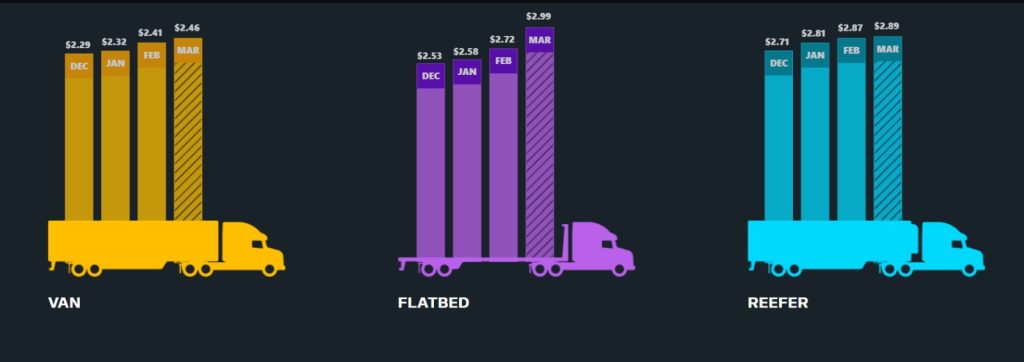
Source: DAT Freight & Analytics
As you can see in the chart above, flatbed rates are consistently outperforming dry van and reefer in 2026.
- Fewer qualified drivers
- More specialized freight
- Less competition
👉 That’s exactly why flatbed rates are holding stronger — and why more drivers are making the switch.
Why Open Deck Loads Are Paying More Right Now
Flatbed freight isn’t your typical boxed freight.
You’re hauling:
- Steel
- Lumber
- Machinery
- Oversized equipment
👉 These loads can’t move without flatbeds, so brokers pay more to cover them.
Industries Driving Flatbed Demand
Right now, demand is coming from:
- Construction boom
- Infrastructure projects
- Manufacturing picking back up
- Energy & industrial freight
👉 If it’s heavy, big, or awkward it’s going on a flatbed.
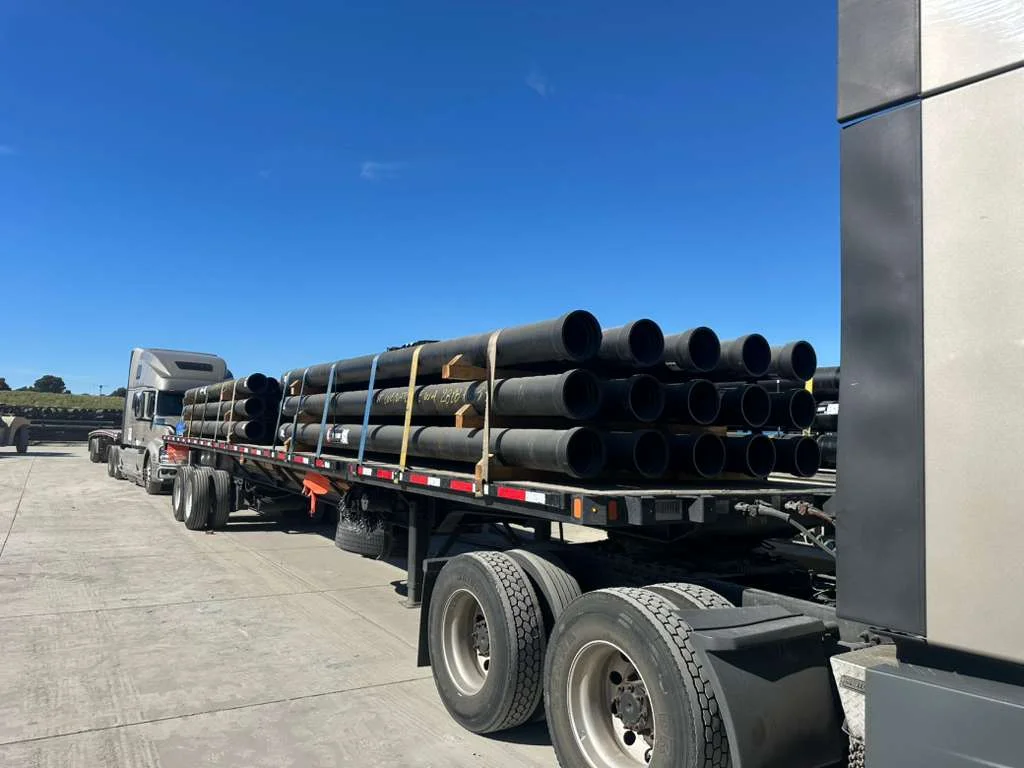
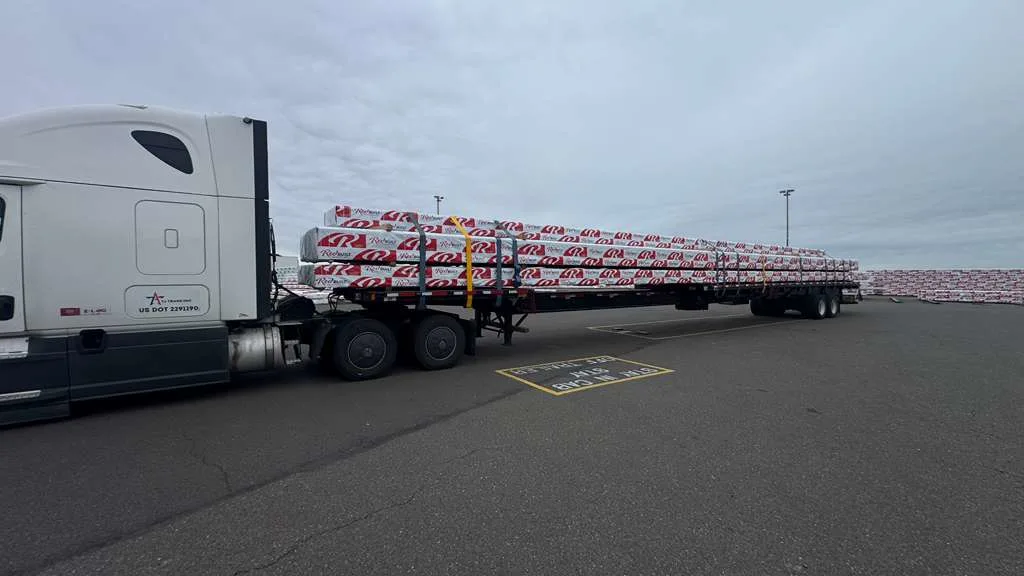
Why Regular Flatbed and Stretch Trailers Are in High Demand
What Loads Require Standard Flatbeds
Regular flatbeds are moving:
- Lumber
- Steel coils
- Building materials
👉 These are consistent, everyday loads good for steady money.
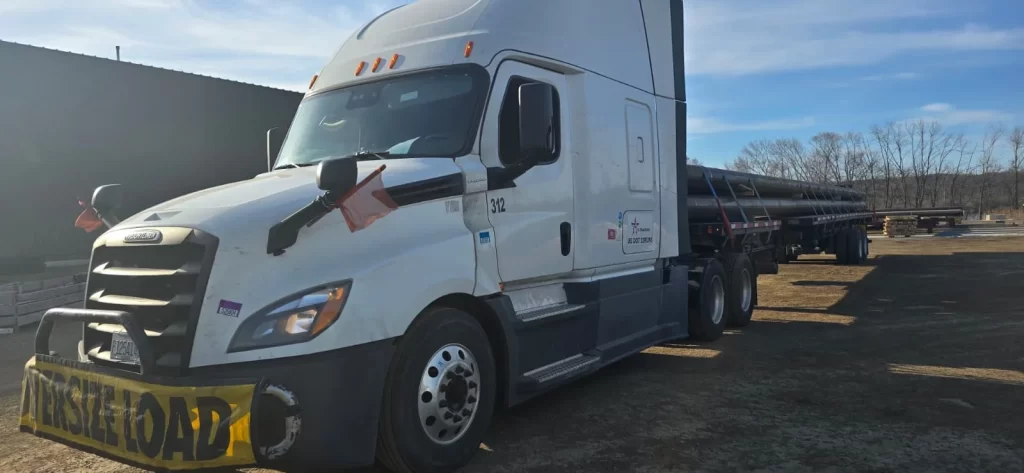
Why Extendable (Stretch) Trailers Are Paying Premium Rates
Now this is where it gets interesting…
Stretch trailers handle:
- Long beams
- Wind turbine parts
- Oversized equipment
👉 Less drivers = higher rates.
You’re getting paid for:
- Length
- Complexity
- Risk
Oversized Freight: Where the Real Money Is
Oversized = permits + planning + skill
But also:
👉 Higher RPM, less competition, better margins
Not for beginners but if you know your stuff, this is top-tier freight.
Flatbed Rates in 2026: What You Can Really Make Per Mile
Average Rates for Standard Flatbed Loads
- Around $2.20 – $2.70 per mile (lane dependent)
- Higher in hot regions
Higher Rates with Stretch & Oversized Loads
- Can push $3.00+ per mile or more
- Even more with specialized freight
How Load-to-Truck Ratio Impacts Your Pay
That map you sent? That’s the key.
👉 High ratio = more loads than trucks
👉 More loads = brokers pay more
Right now:
- Flatbed ratios are strong across most of the U.S.
Best Freight Types to Haul with Flatbed & Stretch Trailers
- Steel & metal products
- Lumber & construction materials
- Heavy machinery
- Oversized loads
👉 These are your bread-and-butter loads in this market.
Where the Opportunities Are Right Now (Hot Flatbed Lanes)
Top States for Flatbed Demand
- Texas
- Florida
- Pennsylvania
- Ohio
- Georgia
Regions with High Load-to-Truck Ratios
- Southeast (construction + lumber)
- Midwest (steel + manufacturing)
- Texas (everything moving)
How to Stay in High-Paying Freight Zones
👉 Don’t chase miles, chase markets
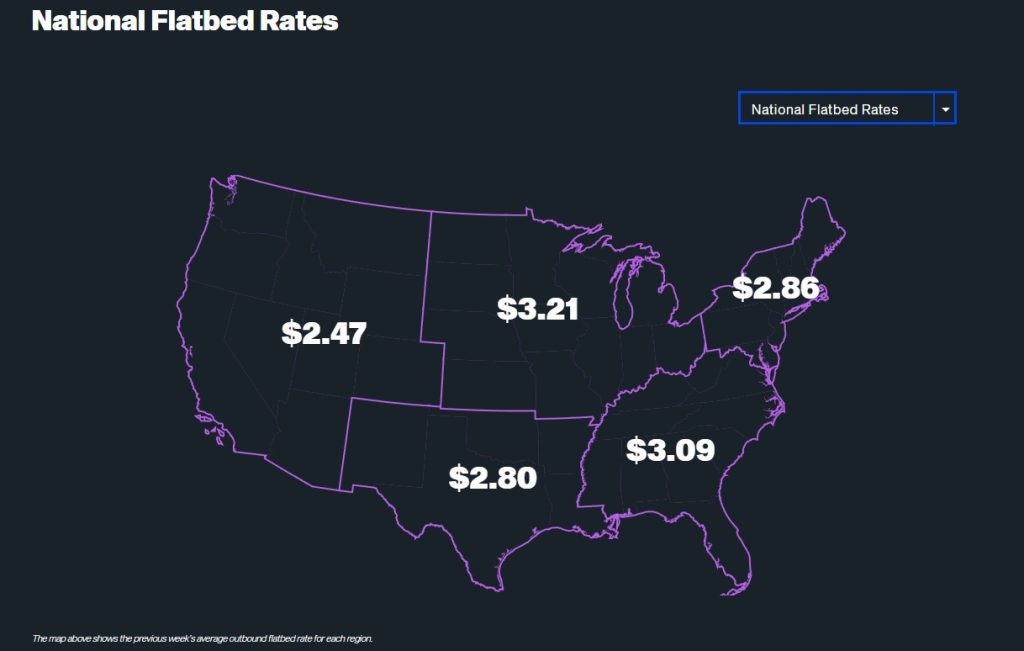
Source: DAT Freight & Analytics
Flatbed trucking demand isn’t the same everywhere — some regions are paying way better than others.
As you can see above, certain regions like the Southeast and Midwest are paying significantly higher flatbed rates per mile.
- Plan reloads before delivery
- Stay in strong regions
- Avoid weak outbound areas
What Drivers Need to Know Before Switching to Flatbed
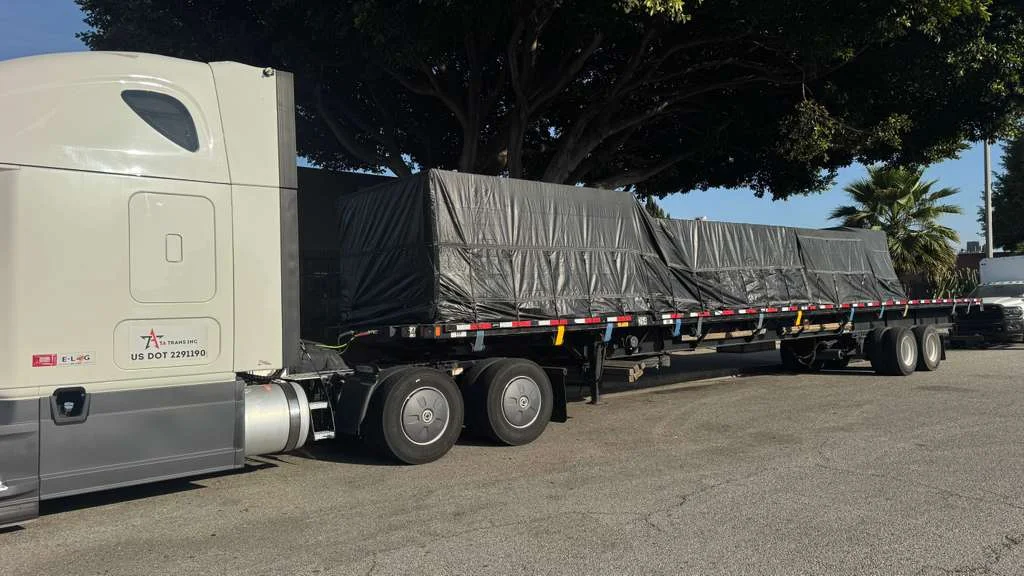
Securement Skills and Equipment Needed
Flatbed ain’t just driving.
You’ll need:
- Straps, chains, binders
- Tarps
- Load securement knowledge
Costs of Running Flatbed vs Van
- More physical work
- More equipment
- Slightly higher operating costs
👉 But also higher earning potential
Is Stretch Trailer Investment Worth It?
Short answer:
👉 Yes — if you know how to use it
- Better loads
- Higher rates
- Less competition
How Owner-Operators Can Maximize Profit in Flatbed Right Now
Choosing the Right Loads (Not Just High RPM)
High RPM doesn’t always mean high profit.
👉 Look at:
- Deadhead
- Reload options
- Time vs pay
Building Relationships with Good Brokers
Good brokers = consistent freight
👉 Stop chasing cheap loads, start building connections.
Using Load Boards the Smart Way
- Watch rate trends
- Don’t grab the first load
- Negotiate (flatbed has leverage)
Flatbed Demand Outlook: Will This Opportunity Last?
Market Trends for 2026 and Beyond
- Industrial freight is stabilizing
- Capacity is tightening
- Flatbed demand staying strong
Will Oversized Freight Keep Growing?
👉 Yes — especially with:
- Infrastructure projects
- Energy sector
- Large-scale construction
What Smart Drivers Are Doing Right Now
- Moving into flatbed
- Investing in stretch trailers
- Locking in good lanes
We’re Hiring Flatbed Drivers & Owner-Operators Right Now
Why Work With Us
- Consistent flatbed freight
- Strong lanes (no cheap freight)
- Driver-first mindset
What We Offer Flatbed & Stretch Trailer Drivers
- Access to high-paying loads
- Dispatch support
- Help staying in top markets
How to Get Started
👉 Reach out and get set up — we’ll help you get rolling in the right lanes.
Final Thoughts: Is Flatbed the Move in 2026?
Simple answer?
👉 Yeah — if you’re trying to make more money and stay ahead of the market.
Flatbed (especially stretch trailers) is:
- Less crowded
- More specialized
- Paying better